Embracing Women in the Tech Industry


The tech industry has historically been male-dominated, and women have faced numerous challenges in pursuing careers in this field. However, embracing diversity and creating an inclusive environment for women can bring immense benefits to organizations and the industry as a whole. Here are some ways to embrace and support women in the tech industry:

1. Promote Equal Opportunities and Fair Compensation

Ensure that women are given equal opportunities for hiring, promotions, and career advancement. Implement transparent and unbiased compensation practices, ensuring that women receive fair and equitable salaries for their work, without any discrimination based on gender.

2. Foster an Inclusive and Supportive Culture

Cultivate a workplace culture that values diversity, respect, and inclusivity. Encourage open communication, provide mentorship programs, and create support networks for women in tech. Address and eliminate any instances of discrimination, harassment, or insensitive behavior towards women in the workplace.

3. Encourage Leadership and Representation

Actively promote and support women in leadership roles within the organization. Provide opportunities for women to take on challenging projects, lead teams, and contribute to decision-making processes. Increased representation of women in leadership positions can inspire and empower other women to pursue careers in tech.

4. Offer Flexible Work Arrangements

Recognize that women often juggle multiple responsibilities, such as caregiving duties or family obligations. Offer flexible work arrangements, such as remote work options, flexible schedules, or on-site childcare facilities, to support women in balancing their professional and personal lives.

5. Provide Training and Development Opportunities

Invest in training and development programs specifically designed for women in tech. Offer workshops, mentorship programs, and networking events that address the unique challenges and experiences faced by women in the industry. Encourage continuous learning and skill development.

6. Celebrate and Recognize Women’s Achievements

Highlight and celebrate the achievements and contributions of women in the tech industry. Share success stories, recognize their accomplishments, and provide platforms for them to share their experiences and insights. This can inspire and motivate other women to pursue careers in tech.

By embracing and supporting women in the tech industry, organizations can tap into a diverse pool of talent, foster innovation, and create a more inclusive and equitable workplace. It is crucial to address the challenges and barriers faced by women in tech and actively work towards creating an environment where they can thrive and contribute to the industry’s growth and success.
Advertisements

Protect Your Identify

We are living in an era where people share everything on social media, where they are, and what are they doing?

As human beings, we need to be careful about what we tell the world and how we protect ourselves. Sometimes people in the are watching your every move or what you do in a bad way.

Cyber threats are on the rise every day, and some of these attacks are social engineering campaigns based on what you’re posting and doing. Here are some tips on “How to protect your identify”.

Don’t overshare

Most social media platforms and apps ask users to provide information about themselves, and then display this information on their profile. Be mindful of what you provide. The more information a scammer has about you, the more likely they are to set up a fake account using your personal information. If an application allows it, choose to keep your profile private.

Question quizzes and surveys

Be careful when you’re taking online quizzes. Be wary of quizzes that solicit personal information from you. Scammers pose questions with answers that you might use on security login forms, such as: 

Your first car 

Your first pet name 

Your hometown

Protect your family

Always ask for permission from family members, friends or colleagues. Some people aren’t as active on social media as you are and don’t want their identity to be public knowledge.

Protect Your Personal Identity 

Be careful about what you share on social media. Do not share personal information like your date of birth or home address. Check the privacy settings for each social media account. You might want to limit who can view your friends list, your contacts and photos. Keep your social media accounts private so only friends and family members can view your posts and other personal information. 

Watch out for Scammers

Phishing is when someone pretending to be someone from Facebook or Twitter or another social media platform sends you an email pretending to be from them. For example, they might tell you that your account is hacked or that your password needs to be changed.

In phishing emails, you’ll be asked to click a link and provide your login credentials. Then, they’ll use those credentials to get into your accounts.

To tell if you’ve been phished, look out for unusual or misspelled or grammatically incorrect information. Hover over hyperlinks and see if they take you to a website that isn’t related to the sender of your email.

Be careful whom you accept friend requests from 

Accept only friend requests from friends you know, and don’t reply to messages or click on links from strangers.

Advertisements

Vishing (Phone Phishing)

Vishing is the fraudulent practice of making phone calls or leaving voice messages purporting to be from reputable companies in order to induce individuals to reveal personal information, such as bank details and credit card numbers.


Example of Vishing

This week I had got a call from AT&T regarding a new deal that sounded to good to be true. The person left a voicemail about the deal saying that I would get %50 off my bill for 24 months.

So I decided to call the number and it seemed to me that this is an inside job because they knew how much I was paying on my bill. I asked the person who answered the phone “How does this deal work”. The response was that I would have to pay $600 upfront to not have to pay my bill for 6 months and will be granted all of the premium channels.

I logged into my account and did not see no deal. I checked my email as well and did not see no deal. The guy on the phone kept asking me for my card information and I asked him again what his name was and he hung up the phone ☎️ . Next I called AT&T from my phone to confirm if this deal was true and the Customer Service Rep. She confirmed that there was no promotion going on currently at the morning. I went on and reported the numbers to the CS Rep and she was super happy that I was able to give them the information to help other customers from being scammed for the holiday.


Tips

  • If you know you are being scammed or feel like it not right please say no.
  • Do not give up your credit card information, routing number or social security (Personal Information)
  • Call the police and report it
  • Report the scam to real representation of that company.
Advertisements

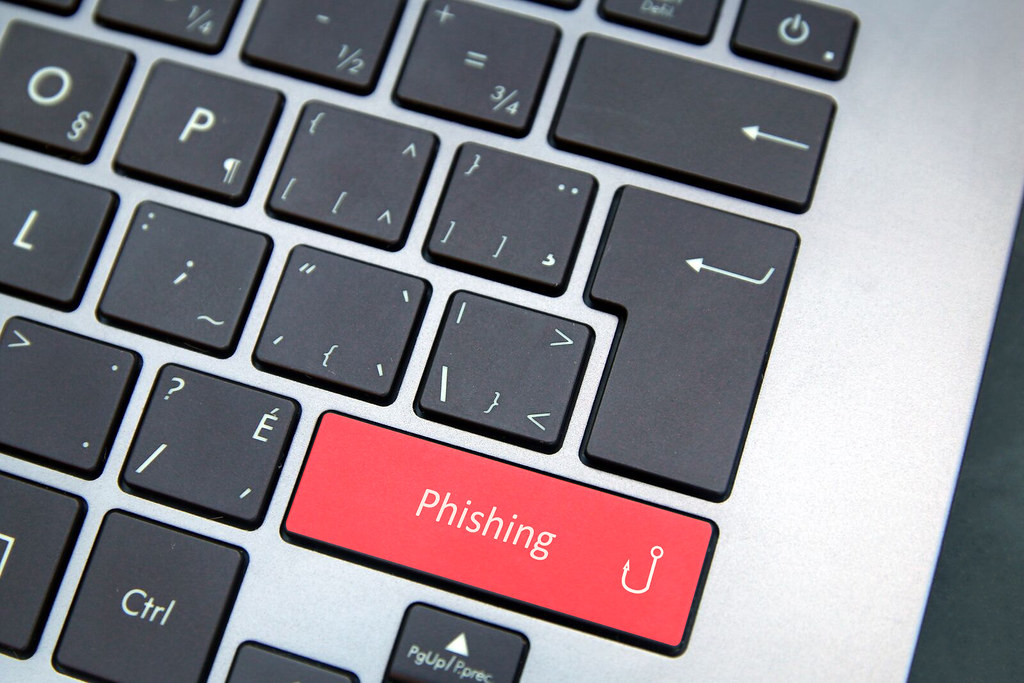
Phishing

Technology is getting better everyday and people do tend to test people on the daily basis.


Phishing is a cybercrime in which a target or targets are contacted by email, telephone or text message by someone posing as a legitimate institution to lure individuals into providing sensitive data such as personally identifiable information, banking and credit card details, and passwords.

The information is then used to access important accounts and can result in identity theft and financial loss.

Examples of Phishing

Here are some examples of Phishing Attacks

  • Phishing Email
  • Spear Phishing
  • Link Manipulation
  • Fake Websites
  • CEO Fraud
  • Content Injection
  • Malware
  • “Evil Twin” Wi-Fi
  • Mobile Phishing (Smishing)
  • Voice Phishing (Vishing)
  • Man In the Middle
  • Malvertising

(Stay tune for more examples and how to protect your identity).


Advertisements